


Newsletter | The Ultimatum: Queer Love Is The Chaotic Mess You Can't Look Away From
Within the dating reality TV genre, The Ultimatum: Queer Love — with its five queer women and nonbinary persons — is like any of the other shows. Joshua Muyiwa reviews.
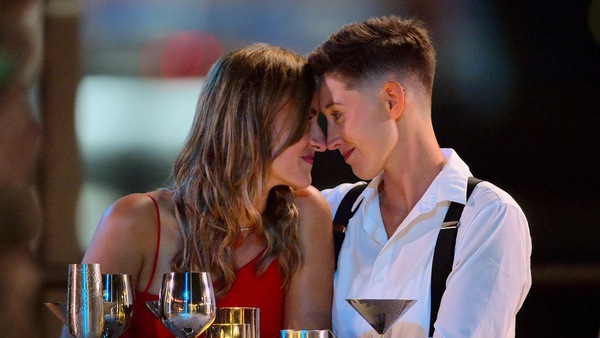
Last Updated: 04.21 PM, Jun 21, 2023
This column was originally published as part of our newsletter The Daily Show on June 21, 2023. Subscribe here. (We're awesome about not spamming your inbox!)
***
I’VE just spent this past weekend bingeing on Netflix’s latest dating reality television show, The Ultimatum: Queer Love. Besides my I-can’t-take-my-eyes-off-this-chaotic-mess attitude to reality television shows, it seemed like appropriate content with June being earmarked as Pride Month in the United States and most parts of the world, including India. It’s a month dedicated to commemorating the years of struggle for civil rights and the ongoing pursuits for equal justice under the law for the LGBTQ+ community, and the celebration of LGBTQ+ individuals and their achievements. And The Ultimatum: Queer Love, a marriage contest focussed exclusively on queer couples is…well, one such achievement, I suppose.
There was a part of me that immediately wanted to diss this show completely. And yet, another part of me wondered about what it might have been like for me – a queer person – to watch 10 other queer people on television on a single show, growing up. And those queer people were actually dating, breaking up, fighting and screaming at each other, weeping alone, enjoying each other’s company, having fun and getting drunk on saccharine cocktails and just hanging around. It would have been absolutely brilliant and beautiful, I’ll admit – not immediately, of course. Maybe this is the reason I was transfixed to the television screen for the entirety of this show.
For those of you who’ve forgotten, it is just like its forerunner, Netflix’s The Ultimatum: Marry or Move On hosted by Nick and Vanessa Lachey. Here too, within the couples, one wants to get married; the other isn’t ready for that commitment. So, they agree to split up and live with new partners or a ‘trial wife’ for three weeks before reuniting with their original couple for a similar period. Then, they must decide whether to get engaged, end the relationship or leave with their ‘trial wife’ – and all of this takes place in front of an omnipresent camera, and us.
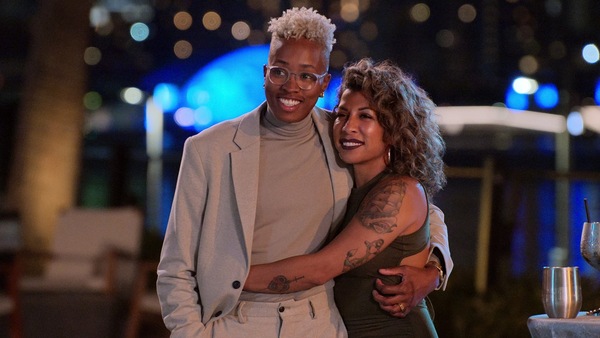
Within the logic of these dating reality television shows, The Ultimatum: Queer Love with its five queer women and nonbinary persons is like any of the other shows. The triumphs and tribulations are not different from those of heterosexual competitors. And reality television producers have become super skilled at masterfully pitting the commitment angst towards the original partner against the awkward attraction to the potential partner. This interplay of drama is reliably eye-catching and exciting, and it doesn’t seem to matter despite the sexuality or the makeup of the participating couples.
So, it would seem a truth universally acknowledged that relationships can be baffling, brutal, beautiful and boring across the spectrum of gender and sexuality. But The Ultimatum: Queer Love does manage to speak to the specific modes that queer women and nonbinary people relate to one another. “I feel like we’re at a lesbian club, and all our exes are here,” one cast member jokes, and they may be right. Dating and making relationships within a smaller subset just means spending time with one another’s exes. And the sexual element of these relationships isn’t shunned, it is on the surface with one cast member asking another, “Do you want to sit on my face?” Another cast member suggests everyone get into “a polyamorous orgy” and meets with disapproval from the entire group. But within queer circles, this puritanical understanding of faithfulness and fidelity is being challenged and a dinner party could casually turn into an orgy with no one raising an eyebrow or doubting their commitment to their relationships.
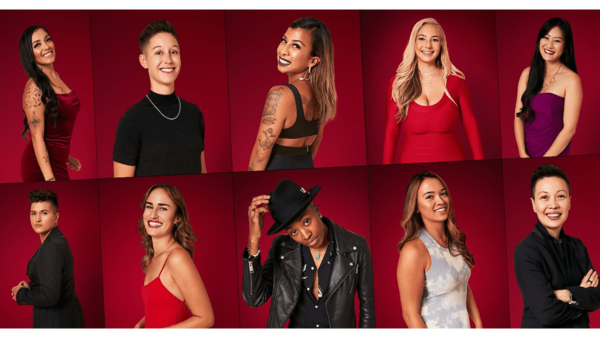
So, for straight viewers, The Ultimatum: Queer Love acts as a peephole into the world of queer people and the dynamics of their relationships. And for queer ones, it manages to provide relatable content. But the show does manage to do something more, it sidesteps all the cliches of queerness as it usually appears on our screens. There aren't endless reels of horrifying coming-out stories; comforting to know that misery alone doesn’t a queer person make. And surprise, surprise – not even once throughout the entirety of The Ultimatum: Queer Love does anyone proclaim that “love is love”. And that’s terribly thrilling because this isn’t an affirmation that queer people have ever needed, we’ve always known this as a fact. It is only straight people who’ve had to keep repeating it to themselves in their performance of allyship.
In The Ultimatum: Queer Love, we aren’t spared any of the classic reality television trashy tropes, we are given melodrama and music. This isn’t prestige television, nothing about it is clever or conceptual. It is a queer version of a fixed format. The show isn’t going to change your mind about reality TV if you can’t stand it in the first place. But should you watch it? Of course, you must. Aren’t you an ally?